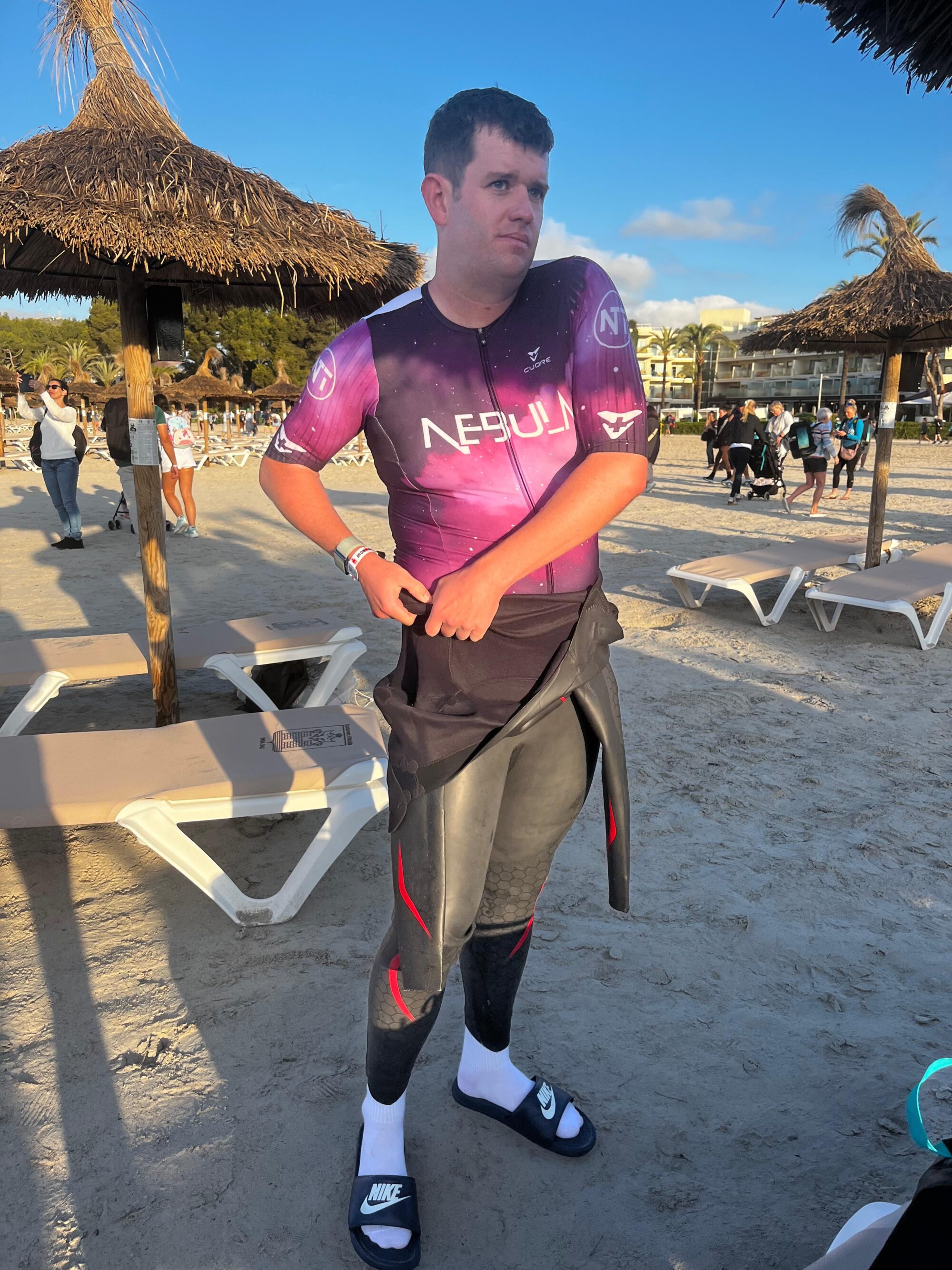
In triathlon, we often talk about splits, watts, pace and performance metrics. But beneath all the data lies something far more powerful athan physical fitness alone: mental resilience.
Endurance athletes know a truth that can’t be fully understood until it’s experienced. At some point in every race, things get uncomfortable. Energy dips. Muscles tighten. Doubt creeps in. The body sends signals asking you to slow down, to stop, to question whether you can keep going.
But here’s the difference between seasoned athletes and beginners: experienced athletes don’t panic.
Why? Because they’ve trained for this moment.
Training Under Fatigue Is Where Growth Happens
Research in endurance sports consistently shows that repeated training under fatigue doesn’t just make your body stronger, it rewires your brain. When you push through controlled discomfort in training, you’re not simply building physical endurance; you’re conditioning your nervous system to stay calm and focused when energy is low. Many people can nail a hard training session after a few easy days but it’s about consistently nailing the sessions when fatigue, tired and it’s not coming naturally. There are all opportunities to practice composure.
Over time, your brain learns:
- Discomfort is not danger
- Fatigue is manageable
- You can still think clearly under pressure
This is where real progress happens, not in perfect conditions, but in the messy uncomfortable middle.
Redefining Mental Toughness
Mental resilience isn’t about blindly “pushing through pain at all costs.” That mindset often leads to burnout or injury.
Instead, true resilience is:
- Staying present when things feel hard
- Making smart decisions under stress
- Adjusting your effort without losing forward momentum
- Trusting your preparation
It’s not about ignoring your body, it’s about understanding it.
The best triathletes aren’t the ones who suffer the most. They’re the ones who remain composed when others fall apart.
From Race Day to Real Life
One of the most powerful aspects of endurance training is that its benefits extend far beyond sport.
The same skills you develop during a tough session such as focus, emotional control, patience, adaptability, all show up everywhere:
- At work, when deadlines pile up
- In school, during high pressure moments
- In daily life, when things don’t go as planned
You begin to approach challenges differently. Instead of reacting emotionally, you respond with clarity. Instead of avoiding discomfort, you navigate through it.
That’s resilience.
Building It Together
As a triathlon team, we’re not just training athletes, we’re developing resilient individuals.
Every early morning swim, every windy ride, every run on tired legs is part of something bigger. It’s not just about crossing the finish line; it’s about who you become along the way.
So the next time a session feels tough, remember:
This is the work that matters.
Not because it’s hard, but because it teaches you how to handle hard.
Train the body. Condition the mind. Build resilience.